
Your customer data is already telling you what to do next. Every quote, order, email, and repeat job adds another useful detail. The challenge is knowing how to use that information well. Customer data for sign shops can show which services perform best, which customers return, and where new sales may come from. High-performing shops do more than save these details. They connect them, look for patterns, and use what they learn to make better decisions.
What High-Performing Sign Shops Do Differently With Customer Data
High-performing shops do not collect customer information just to store it. They use it to make daily work easier and future decisions stronger. The biggest difference is how they organize, review, and act on that data.
In practice, they usually do five things differently. They:
- Keep customer information in one place
- Track more than basic contact details
- Use customer data to improve marketing
- Use past jobs to find future opportunities
Track data they can actually use

Keep Customer Information in One Place
Useful information quickly loses value when it sits across emails, notes, invoices, and separate files. Teams then spend more time searching and may miss important details. High-performing shops avoid this by keeping customer records connected.
They can see past quotes, completed jobs, conversations, and order history in one place. This makes using CRM data to make better business decisions much easier. Good CRM data for sign shops gives the whole team a clearer view of each customer. It also makes follow-ups faster and helps staff respond with more useful information.
Track More Than Basic Contact Details
A name, phone number, and email address are only the basics. High-performing shops also track what customers asked for, what they ordered, and how they found the business. These details help teams see the full customer history.
They can also show where people move forward or lose interest during different stages of the buying process. Good sign shop customer data may include lead source, quote history, past services, repeat orders, and follow-up notes. When teams keep this information together, they can respond faster and make each customer interaction more relevant.
Use Customer Data to Improve Marketing
Customer records can also show which marketing efforts lead to real business. A shop may get many inquiries from one channel but more repeat customers from another. That difference matters because it shows which efforts bring more value.
When shops connect CRM records, website activity, inquiries, and buying history, first-party data insights can help them see which audiences, services, and channels deserve more focus. For example, one service may attract plenty of interest but few completed jobs. Another may bring fewer leads but more loyal customers. High-performing shops use these patterns to make smarter marketing decisions instead of treating every lead the same.
Use Past Jobs to Find Future Opportunities
Past jobs can point to what a customer may need next. A company that ordered fleet graphics may need more when it adds new vehicles. A retail client may need new signs when it opens another location. Looking at past work makes these future needs easier to notice.
Good customer data management for sign shops helps teams spot these patterns and follow up with a clear reason instead of sending a generic message. This is why turning previous customers into repeat business can be so valuable. High-performing shops use past orders to make future conversations more useful and timely.
Track Data They Can Actually Use
More data does not always mean better data. High-performing shops focus on information that can support a real decision. Useful customer records should be accurate, current, and easy to find. Teams should also know why they track each detail.
For example, lead source can show which marketing channels work best. For online campaigns, Google Analytics attribution can also show how different ads and clicks contribute before an important customer action. Past orders can help with future follow-ups, while quote history can show which services turn into real jobs. The goal is simple. Keep the information that helps the team work better, and avoid filling the system with details that serve no clear purpose.
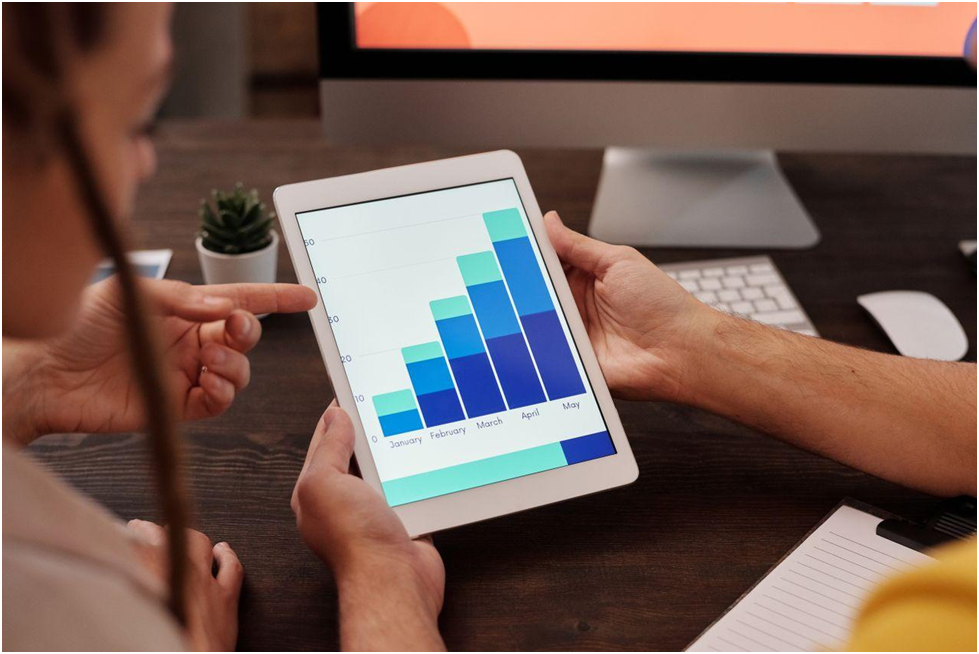
How Better Customer Data Changes Everyday Decisions
Good data matters most when it helps a team decide what to do next. Customer data for sign shops can support several everyday decisions, including:
- Which leads need follow-up – teams can see who showed interest but has not moved forward yet. This helps them focus on leads that may still turn into real jobs.
- Which customers may return – past orders can point to future needs and repeat business. A previous project may also show when it makes sense to reach out again.
- Which services perform best – completed jobs can show which services bring the strongest results. Shops can compare demand, repeat orders, and actual sales.
- Which marketing channels work better – one source may bring many inquiries but few jobs, while another may bring fewer leads but more valuable customers. This makes it easier to judge which channels deserve more focus.
- Where the team should focus next – clear patterns can help shops decide where to spend more time, effort, and budget. They can then focus on the areas that support stronger results.
High-performing shops use these details to improve sales, follow-ups, service, and marketing. They do not review data just to create reports. If a piece of information never helps the team take action, it may not be worth tracking.

Turn Customer Information Into Something Useful
High-performing shops do not need more customer data. They need to use the right data well. Customer data for sign shops becomes valuable when teams connect it to real sales, service, and marketing decisions. Clear records make it easier to follow up, spot repeat business, and see which efforts produce better results. The value is not in how much information a shop stores. It comes from how well the team uses that information to decide what to do next.
- ©2026 GarageTool
- Privacy policy
- Terms of service
- Sitemap