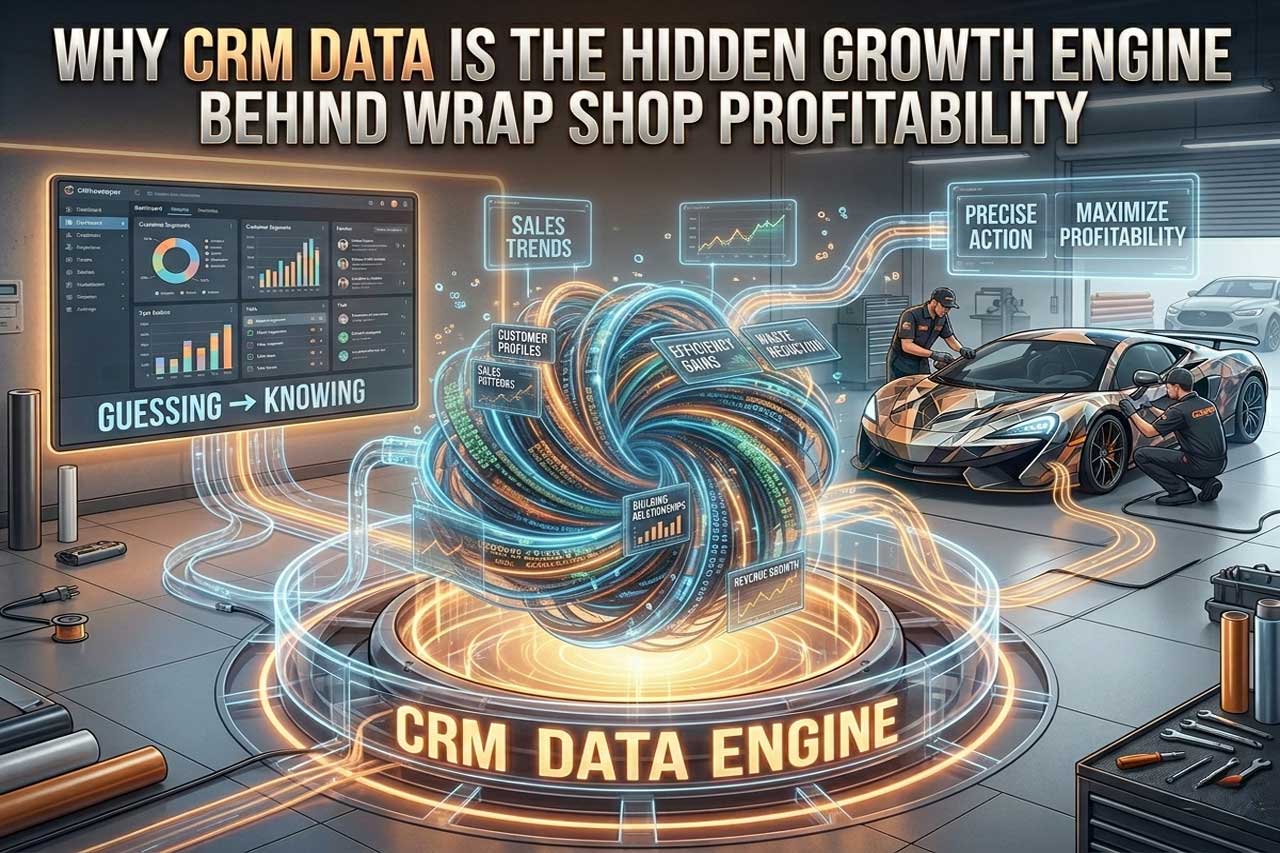
Running a wrap shop today requires more than skill and speed. Markets shift, and customer expectations rise. Many owners focus on tools and materials, yet overlook the value of data. CRM systems quietly collect insights that shape smarter decisions. When used well, they reveal patterns that improve efficiency and revenue. This is where real wrap shop profitability begins. Instead of guessing, shop owners can rely on clear information to guide growth, reduce waste, and build stronger customer relationships over time.
Why Data, Not Just Craftsmanship, Drives Growth Today
Great craftsmanship attracts customers, but data keeps them coming back. Today, decisions based on instinct alone often lead to missed opportunities. In contrast, data highlights what actually works. For example, it shows which services generate the most profit and which clients return most often. Because of this, shop owners can focus their efforts more effectively.
Moreover, tracking performance over time reveals patterns that are easy to miss day to day. This clarity helps reduce wasted effort and improves planning. As a result, teams work smarter, not harder. When data supports every decision, growth becomes more predictable and sustainable.
Understanding CRM Data and Its Real Business Value
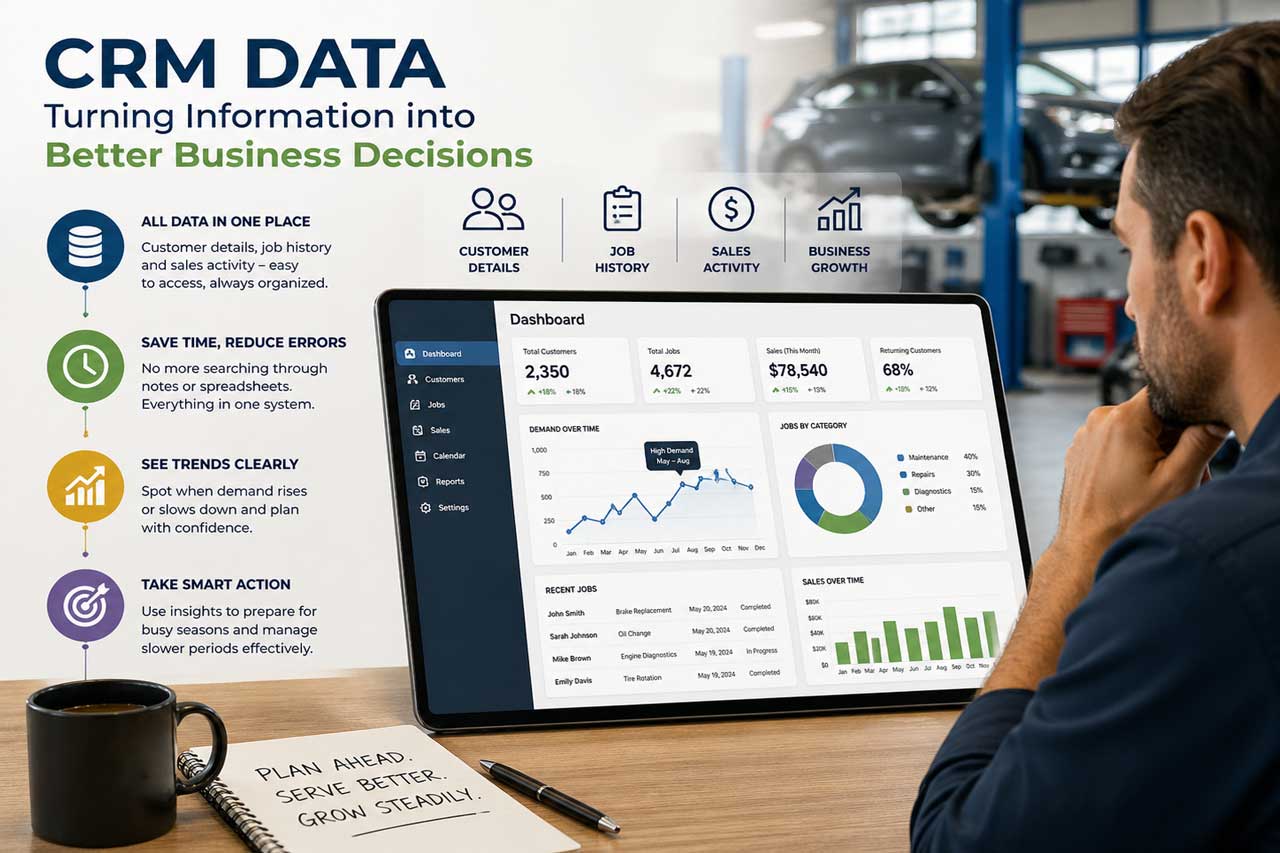
CRM data brings structure to daily operations. It gathers customer details, job history, and sales activity in one place. Instead of searching through notes, everything becomes easy to access. This saves time and reduces mistakes.
More importantly, CRM data helps shop owners see trends clearly. For instance, it shows when demand increases or slows down. With this insight, businesses can plan better and take advantage of busy seasons without feeling overwhelmed. At the same time, slower periods become easier to manage with targeted actions. In this way, CRM data turns everyday information into practical decisions that support steady growth.
Types of CRM Data Every Wrap Shop Should Track
Not all data delivers the same value. Therefore, knowing what to track makes a real difference. Customer details help personalize communication and improve service quality. Sales data reveals which offers convert best and which need adjustment. Service history shows patterns in repeat work and client preferences. Meanwhile, marketing data highlights which channels bring the best leads.
To move forward, it is important to understand different types of data in your CRM and how to use them. Then, you can use them to your advantage by focusing on what drives results. With clear data categories, decisions become faster, more accurate, and easier to scale over time.
How CRM Data Improves Customer Retention and Repeat Business
Keeping existing customers engaged is more cost-effective than finding new ones. CRM data makes this process simple and consistent. It tracks past jobs, preferences, and communication history in one place. As a result, follow-ups feel timely and relevant instead of random.
For example, reminders for maintenance or updates can bring clients back at the right moment. In addition, personalized offers make customers feel valued. This approach builds trust and long-term relationships. When used consistently, these efforts directly improve wrap shop profitability.
At the same time, targeted communication helps boost your local ranking through better reviews and repeat engagement. Over time, retention becomes a steady source of growth.
Turning Insights Into Action: Smarter Sales and Pricing Decisions
Data becomes powerful only when it guides action. CRM systems highlight which services sell best and which ones slow down revenue. With this insight, pricing can be adjusted to match demand and value. For example, high-demand wraps can support premium pricing without losing interest.
In addition, CRM data identifies high-value customers. This allows teams to focus on clients who bring consistent revenue. Upselling and cross-selling also become easier with a clear purchase history. As a result, each interaction feels more relevant. Better decisions lead to stronger margins and fewer missed opportunities in daily operations.

Streamlining Operations With Better Data Visibility
Daily operations often become complex as a wrap shop grows. CRM data brings order by centralizing job details, timelines, and team responsibilities. Because of this, everyone knows what needs to be done and when. Delays become easier to spot and fix early.
Moreover, tracking progress in real time reduces miscommunication. Teams can adjust quickly when priorities shift. This improves efficiency without adding pressure. Clear visibility also helps allocate resources more effectively. Instead of reacting to problems, shop owners stay ahead of them. With structured workflows and reliable information, operations run more smoothly.
Marketing That Works: Using CRM Data to Target the Right Customers
Reaching the right audience is essential for steady growth. CRM data reveals where leads come from and which ones convert best. This allows businesses to focus their efforts on high-performing channels. As a result, time and budget are used more efficiently.
By analyzing customer behavior, teams can refine messaging and timing. In practice, this means campaigns feel more relevant and less intrusive. Many shops struggle with generic outreach, yet CRM insights help shape better marketing strategies that connect with real needs.
Over time, this targeted approach improves engagement and return on investment. Instead of guessing, every campaign becomes a calculated step toward stronger results.
Predictive Growth: Using CRM Data to Plan Ahead
Planning ahead becomes easier when data reveals clear patterns. CRM systems track trends in demand, customer behavior, and service frequency. Because of this, wrap shop owners can prepare for upcoming shifts instead of reacting late. Hiring, inventory, and scheduling decisions become more accurate.
In addition, forecasting supports better financial control and reduces uncertainty. When trends are visible, risks feel more manageable. This level of clarity directly supports wrap shop profitability by aligning resources with real demand.
Common Mistakes Wrap Shops Make With CRM Data
Even useful tools can fail without the right approach. Many wrap shops collect data but never act on it. Others stop updating records, which leads to confusion and missed opportunities.
Common mistakes include:
- Ignoring reports that reveal useful patterns
- Failing to train staff on CRM usage
- Using CRM only for storage, not decisions
- Not tracking customer follow-ups consistently
- Overlooking data accuracy and consistency
However, small improvements can fix these issues quickly. With consistent use, CRM becomes a reliable guide
From Data to Daily Wins
CRM data transforms everyday operations into smarter decisions. It improves retention, planning, and efficiency across the board. When used consistently, it becomes the foundation of wrap shop profitability. Instead of guessing, shop owners gain clarity, control, and steady growth driven by insights that compound over time.
- ©2026 GarageTool
- Privacy policy
- Terms of service
- Sitemap