A quick guide to the skills and experience that can get your installer profile in front of the right people

A clean finished car wrap might be what the customer sees, but a shop owner sees everything that went into producing it. They know whether an installer can handle a difficult bumper without wasting material, finish a commercial van on schedule, spot a problem before installation begins, and work around the rest of the production team.
That makes hiring for car wrap installer jobs slightly different from recruiting for many other roles. A resume can establish where you’ve worked, but shops also need evidence that you can actually install.
If you’re applying for vehicle wrap jobs or trying to make yourself more attractive to established wrap shops, here are the areas worth concentrating on.
1. A portfolio that proves your installation ability
For installers, a strong portfolio is one of the most useful things you can bring to an application.
Don’t fill it with distant photographs of finished cars where nobody can see the installation quality. Shops want enough detail to understand what you’ve actually worked on and how well you finished it.
Include a mixture of projects where possible, such as commercial vehicles, color changes, partial wraps, fleet graphics, vans, trucks, and full wraps. Close-up photographs around bumpers, mirrors, recesses, door handles, edges, and other difficult areas can provide a much better indication of your technical ability.
Most importantly, be clear about what you personally installed. If four people worked on a vehicle, don’t present the entire project as your own.
2. Experience that matches the shop’s workload
Five years of experience sounds impressive, but employers will still want to know what you spent those five years installing.
A shop specializing in commercial fleets may value someone who can consistently reproduce graphics across multiple vans. A business handling high-end color changes may place greater emphasis on complex curves, clean edges, disassembly, and finishing.
When applying for car wrap installer jobs, tailor the experience you highlight to the work the shop actually produces. Relevant experience makes it easier for an employer to picture you working on their upcoming jobs.
3. Attention to detail before, during, and after installation
Attention to detail in car wrap installation starts before the first piece of vinyl goes down.
A professional installer should notice surface contamination, damaged paint, previous repairs, rust, loose trim, or anything else that could affect the installation. Once work begins, shops will expect careful positioning, clean cuts, controlled tension, properly finished edges, and appropriate post-heating.
The final inspection matters too. Small finishing issues can become callbacks, rework, wasted material, and unhappy customers.
When discussing your experience with an employer, showing that you understand the entire installation process can be as important as showing them the finished vehicle.
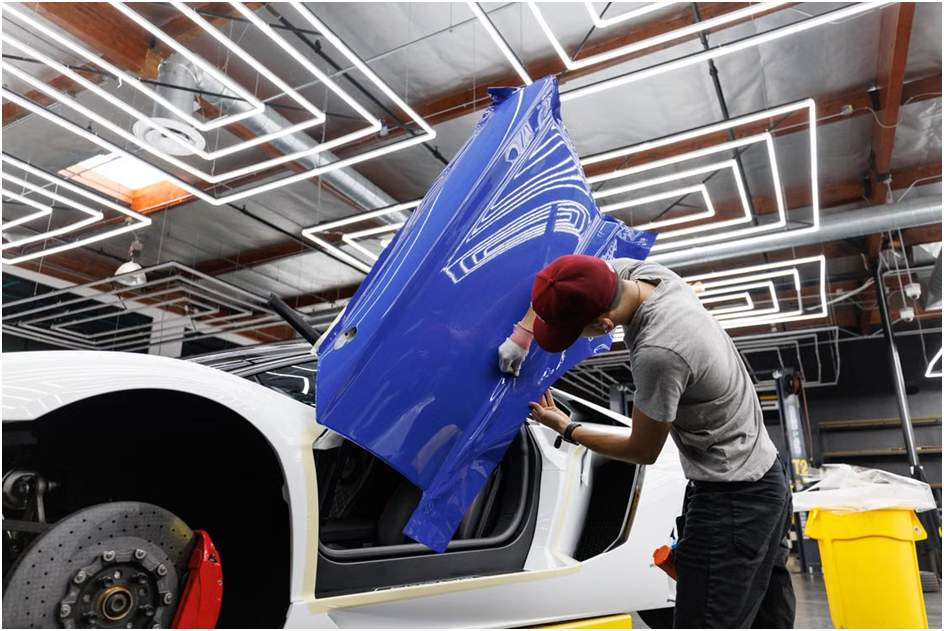
4. Speed without expensive shortcuts
Wrap shops make money by moving work through production efficiently, so speed is one of the most important parts of the chain. However, being fast only helps if the vehicle doesn’t come back a week later with lifting vinyl.
An experienced installer develops efficiency through preparation, good technique, familiarity with materials, and an organized way of working. Employers are looking for someone who can maintain commercial pace while protecting the standard of the finished installation.
If you’re newer to the industry, don’t exaggerate your speed. A shop can work with an installer who is still developing. It is much harder to work with someone who promises unrealistic installation times and leaves another employee fixing the result.
5. Knowledge of materials and installation techniques
Professional car wrap installation involves working with different films, adhesives, laminates, surfaces, and vehicle shapes. Shops therefore value installers who understand that materials cannot all be treated exactly the same way.
You don’t need experience with every product on the market, but you should be comfortable explaining the materials you’ve worked with and the techniques you use.
Relevant manufacturer or industry training can strengthen an application as well. Certifications won’t compensate for poor workmanship, but they can demonstrate formal training and continued investment in your skills.
6. Reliability that keeps the production schedule moving
This part gets overlooked by applicants, but it matters enormously to a busy wrap shop.
A vehicle may have been booked weeks ahead. Artwork has been approved, material printed, production scheduled, and the customer has been given a collection time. If the installer arrives late or doesn’t show up, the problem quickly affects other people.
Reliability means arriving when expected, communicating early when there’s an issue, following the job specification, and completing work within agreed timelines.
For vehicle wrap jobs, professionalism isn’t separate from installation ability. It’s part of what makes an installer valuable.
7. The ability to work as part of a shop
Even if you spend much of your day physically installing vinyl, you’re still part of a larger workflow.
You may need to communicate with designers about artwork alignment, production staff about printed graphics, managers about scheduling, or another installer working on the same vehicle. Shops need people who can communicate clearly without creating unnecessary friction.
This becomes particularly important on fleet projects and larger installations where several people may be working toward the same deadline.
Make it easy for car wrap shops to assess you
If you’re actively looking for car wrap installer jobs, don’t make employers dig for the information they need.
Have a current portfolio, list the types of wraps and vehicles you’ve worked on, include relevant certifications, explain your level of experience accurately, and make your location and availability clear.
GarageTool’s installer network is designed specifically for this. Installers can create a professional profile, upload examples of previous work, add their experience and certifications, and provide the information car wrap shops need when looking for installation talent.
Looking for your next car wrap installation opportunity? Create your GarageTool installer profile and put your work in front of car wrap shops looking for skilled installers.
Frequently Asked Questions
What should I include in a car wrap installer portfolio?
Show clear examples of your best car wrap installation work, including different vehicles and close-ups of difficult areas. Clearly state which parts of each project you installed.
Do certifications help with car wrap installer jobs?
They can. Relevant training demonstrates professional development, although shops will still want to see evidence of your practical installation ability.
Where can I find vehicle wrap jobs?
Look at car wrap, vehicle graphics, fleet graphics, and sign shops. You can also join GarageTool’s installer network to create a profile and connect with wrap shops looking for installers.
- ©2026 GarageTool
- Privacy policy
- Terms of service
- Sitemap