A simple rundown of hands-on courses, certifications, and online training for aspiring and experienced wrap installers
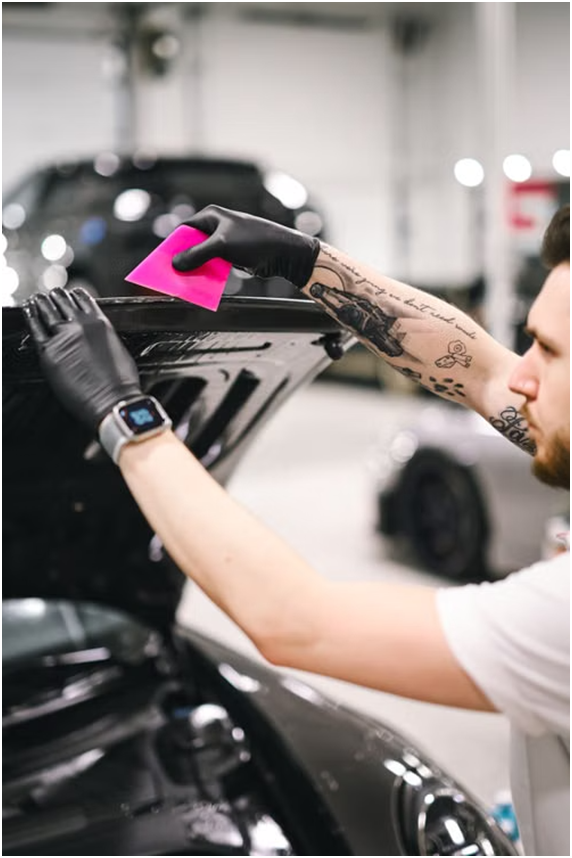
Learning to wrap professionally takes lots of practice. Videos can introduce techniques and experimenting with vinyl can help you understand the material, but there is a big difference between wrapping a simple panel and confidently completing a customer’s vehicle to a professional standard.
That’s why car wrap training classes can be valuable at several stages of an installer’s career. A beginner might need structured hands-on instruction, while someone already working in the industry could be looking for advanced techniques or a recognized certification to strengthen their professional profile.
If you’ve been searching for car wrapping training courses near me, there are several established providers worth considering. We looked at five options available to US installers in 2026 and what makes each one different.
1. Avery Dennison wrap training
Avery Dennison offers one of the broader training pathways for installers because its current program spans beginner/intermediate courses through advanced training and Certified Wrap Installer (CWI) testing.
Its two-day Commercial Wrap Training covers applications including commercial vans, walls, floors, and cut vinyl, while Supreme Wrapping Film Training concentrates on color changes and vehicle customization. Experienced installers can progress to Advanced Wrap Training, which covers fleet work, high-volume color changes, PPF, and business optimization.
Avery also offers its CWI Certification Exam. The company recommends candidates have completed at least 10 full wraps before attempting it, so this is designed for experienced installers looking to validate existing skills, rather than people learning from scratch. The 2026 exam is listed at $995.
What stands out:
- Multiple levels for beginner through advanced installers
- Dedicated commercial and color-change training
- Advanced fleet and high-volume installation techniques
- CWI certification pathway for experienced professionals
- Certified installers can be listed in Avery Dennison’s Find an Installer directory
Best for: Installers who want a structured progression from practical car wrap training into advanced work and professional certification.
2. HEXIS Americas SKINTAC vinyl wrap training
HEXIS Americas takes a highly hands-on approach at its dedicated training facility near Atlanta, Georgia.
Its SKINTAC program is a three-day course aimed at beginner and intermediate installers. Students train on full vehicles using SKINTAC color-change vinyl and HEXLIGHTS film, with instruction covering product knowledge, preparation, application, cutting, and other practical installation techniques. Business coaching covering sales and marketing is included too.
The current SKINTAC course price is listed at $1,350 per student, with tools, lunches, and a roll of selected SKINTAC material included. One important distinction is that completing the course earns a Certificate of Training, not HEXIS certification; certification requires a separate test.
What stands out:
- Three days of hands-on training
- Designed for beginner and intermediate installers
- Training takes place on full vehicles
- Includes preparation, installation, cutting, and after-care
- Sales and marketing guidance is included
- Small class format with Certified HEXIS Trainers
Best for: Someone who wants an intensive car wrapping course with plenty of practical installation time and some exposure to the business side of wrapping.
3. 3M car wrap training and Preferred Installer pathway
For installers specifically searching for 3M car wrap training, 3M operates an authorized training and testing network through locations across North America.
The available training varies by provider and location. For example, 3M currently lists authorized facilities including Wrap University in Canada and Wrap EDU in Orlando, with Wrap EDU providing hands-on instruction in areas including Vehicle Color Change, PPF, and automotive window film.
This makes the 3M route worth investigating if you specifically want experience working within the 3M product ecosystem or are interested in progressing toward its installer testing pathway.
What stands out:
- Authorized training locations across different regions
- Strong manufacturer recognition
- Hands-on vehicle color-change training available through providers
- Options extending into PPF and window film
- Installer testing pathway for experienced professionals
Best for: Installers who regularly work with 3M products or want manufacturer-specific training and a pathway toward recognized installer credentials.
4. Spandex vehicle wrap classes
Spandex offers a different option for installers who don’t necessarily want to commit immediately to a multi-day program.
Its vehicle wrap workshops are hosted regionally, and course availability changes according to location and date. The example currently advertised in Salt Lake City is a one-day class priced at $295, with a maximum of 12 participants.
The course covers the wider installation process, including vehicle preparation, differences between cast and calendared films, hardware removal, cutting and squeegeeing, hood installation, compound curves, deep recesses, alignment, finishing, and removal. Most of the day is dedicated to hands-on work.
What stands out:
- Shorter one-day format
- Lower entry cost than many multi-day programs
- Small class sizes
- Combination of product knowledge and hands-on practice
- Covers the process from vehicle preparation through removal
Best for: Graphics professionals and newer installers looking for an accessible practical workshop without immediately investing in a longer course.
5. The Wrap Institute
The Wrap Institute (TWI) takes a completely different approach. It’s an online learning platform, making it useful for installers who can’t travel to regular in-person classes or want a resource they can return to while developing their skills.
Its platform covers vehicle wraps alongside PPF, window tint, and architectural films, with a large video training library and interactive live sessions. TWI currently offers different membership levels, with annual pricing advertised from $99.99 for Silver to $279.99 for Platinum.
Online learning obviously cannot recreate the physical feedback of working with vinyl under an instructor’s supervision. Where it becomes particularly useful is ongoing development: installers can revisit specific techniques when they encounter a difficult application and continue learning between hands-on projects.
What stands out:
- Fully online and accessible from anywhere
- Large library covering multiple installation disciplines
- Useful for revisiting specific techniques
- Interactive live sessions allow members to ask questions
- Lower financial barrier than many in-person courses
Best for: Installers who want ongoing technical education alongside hands-on practice or need flexible training they can access remotely.
How do the best car wrap training classes compare?
Provider |
Format |
Best suited to |
Key advantage |
| Avery Dennison | In-person | Beginner to expert | Clear pathway into advanced training and CWI certification |
| HEXIS Americas | 3-day in-person | Beginner/intermediate | Intensive hands-on training on full vehicles |
| 3M | Authorized in-person providers | Varies | Manufacturer-specific training and installer pathway |
| Spandex | Regional workshops | Beginner/intermediate | Short, accessible hands-on classes |
| The Wrap Institute | Online | All experience levels | Flexible ongoing technical education |
How should you choose a car wrapping course?
Before focusing solely on the car wrapping course cost, think about what you actually need from the training.
A complete beginner may benefit most from several days of supervised hands-on practice. Someone already installing every day might get greater value from an advanced course or certification test, while an installer who wants ongoing access to technical guidance could combine an online platform with practical experience.
Look at:
- Your current experience: Make sure the difficulty matches your actual ability.
- Hands-on time: Find out how much of the course is spent physically working with vinyl.
- Class size: Smaller groups may provide more direct access to instructors.
- Materials covered: Consider whether the films and applications reflect the work you want to do.
- Certification: Check whether you’re receiving training, a completion certificate, or an actual professional certification.
- Total cost: Include travel, accommodation, time away from work, tools, and materials alongside the advertised course fee.
That last distinction is particularly important. Completing a training course and passing a certification exam are not necessarily the same thing.
Turn your car wrap training into real opportunities
A course can teach technique, but employers will still want to see what you can do with those skills.
Keep practicing after your training, photograph completed installations, record relevant certifications and courses, and gradually build a portfolio showing different vehicles and increasingly difficult applications.
When you’re ready to start looking for professional work, GarageTool’s installer network allows you to create a profile, list your training and experience, showcase previous installations, and connect with car wrap shops looking for installation talent.
Finished your training and ready to find work? Create your GarageTool installer profile and put your skills in front of car wrap shops looking for installers.
Frequently asked questions
How much does a car wrapping course cost?
Car wrapping course cost varies considerably. Current examples range from shorter workshops costing a few hundred dollars to multi-day manufacturer training costing over $1,000, before travel and accommodation.
Are car wrap training classes worth it?
They can be particularly valuable for gaining structured hands-on experience, correcting poor techniques early, and learning directly from experienced installers. Training should still be followed by regular practice.
Can I learn car wrapping online?
Online platforms such as The Wrap Institute can help you learn techniques and troubleshoot problems, but physical practice remains essential for developing professional installation skills.
Will car wrap training help me find installer jobs?
Training can strengthen your profile, particularly when combined with a strong portfolio. Once you’ve built practical experience, you can join the GarageTool installer network to showcase your work to car wrap shops looking for installers.
- ©2026 GarageTool
- Privacy policy
- Terms of service
- Sitemap