An easy guide to building the skills, experience, and portfolio wrap shops want
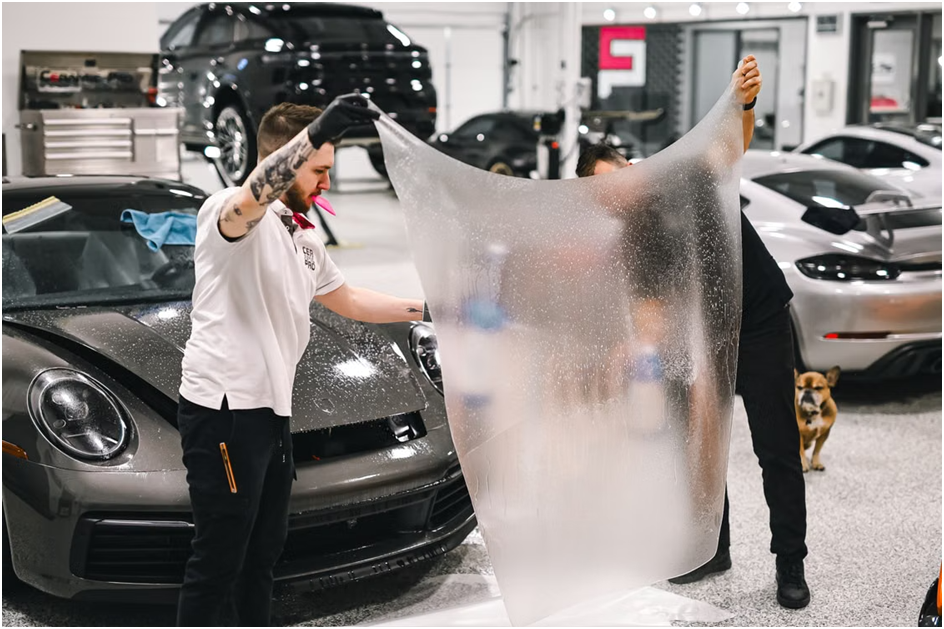
Car wrapping is one of those trades where an experienced professional can make difficult work look surprisingly easy. Watch a skilled installer work across a hood or side panel and the vinyl seems to fall into place. Move onto a bumper, mirror, deep recess, or compound curve, however, and it becomes clear how much technical knowledge sits behind a clean finish.
For anyone researching how to become a car wrap installer, that distinction is seriously important. Professional wrapping takes practical training, plenty of experience with real vehicles, an understanding of different films and surfaces, and the judgment to know what to do when an installation doesn’t go exactly to plan.
There are also several ways to build a career. Some installers join established wrap shops, others work across vehicle graphics and signage businesses, and experienced professionals may eventually move into freelance installation or their own shops. Whichever route you take, the foundation is the same: you need to be able to prove you can produce reliable, professional work.
What does a vehicle wrap installer actually do?
A vehicle wrap installer applies vinyl films and graphics to vehicles, but installation itself is only one part of the job. A professional installer may be responsible for inspecting and preparing the vehicle, cleaning surfaces correctly, removing certain trim or components, positioning graphics, applying the vinyl, finishing edges, and checking the completed work.
The projects can vary considerably too. Commercial fleet graphics require accuracy and consistency across multiple vehicles, while a full color-change wrap can involve intricate work around bumpers, handles, mirrors, recesses, and other difficult areas.
Good installers understand the entire vehicle wrap installation process and how their work fits into the wider schedule of a busy shop. Quality matters, but so do efficiency, reliability, and the ability to finish a vehicle when the customer has been promised it.
Learn the fundamentals before chasing speed
Speed is valuable in a commercial wrap shop, but it only becomes valuable once the quality is there.
New installers first need to understand surface preparation, film positioning, squeegee technique, heat application, stretching, tension management, trimming, edge finishing, and post-heating where required. You also need to learn how vinyl behaves around different shapes and why techniques that work perfectly on a flat door panel may cause problems around a bumper or deep channel.
Structured training can give beginners a strong foundation. Manufacturer and industry courses can introduce proper techniques, materials, tools, and installation practices in an environment where mistakes become learning opportunities.
After that, repetition matters. The confidence of an experienced vinyl wrap installer comes from encountering different vehicles, films, shapes, and installation problems over time.
Build experience across different types of wrap work
One of the best ways to become more employable is to broaden the installations you can confidently handle.
A wrap shop may work on a branded Transit van in the morning, a partial commercial wrap that afternoon, and have a full color-change vehicle booked for the following day. An installer who can contribute across different types of work gives the business far greater flexibility.
As your experience develops, try to build skills across areas including:
- Full and partial vehicle wraps
- Commercial vehicle graphics
- Fleet installations
- Color-change wraps
- Cars, vans, trucks, and trailers
- Vinyl removal and vehicle preparation
- Bumpers, mirrors, recesses, and complex curves
- Finishing and post-installation checks
There is no need to pretend you can handle work you haven’t mastered yet. Being clear about your experience is particularly important when you begin applying for car wrap installer jobs, as shops need to know which projects they can confidently assign to you.
Understand what wrap shops want from an installer
Technical skill will get an employer’s attention, but it isn’t the only thing that determines whether someone is valuable inside a professional shop.
A wrap job has already passed through several stages by the time the vehicle reaches installation. The customer has received an estimate, artwork has been approved, materials have been ordered, production has been scheduled, and the vehicle may have a firm collection time.
That means installers need to work as part of the wider operation. Turning up reliably, communicating problems early, following job specifications, protecting customer vehicles, and working within realistic timeframes all matter.
For a busy shop, a talented installer who regularly causes scheduling problems can become expensive. A professional who combines excellent workmanship with reliability is considerably easier to build a production schedule around.
Build a portfolio that shows employers what you can do
When you’re trying to break into the industry, your portfolio can speak much louder than a paragraph on a resume.
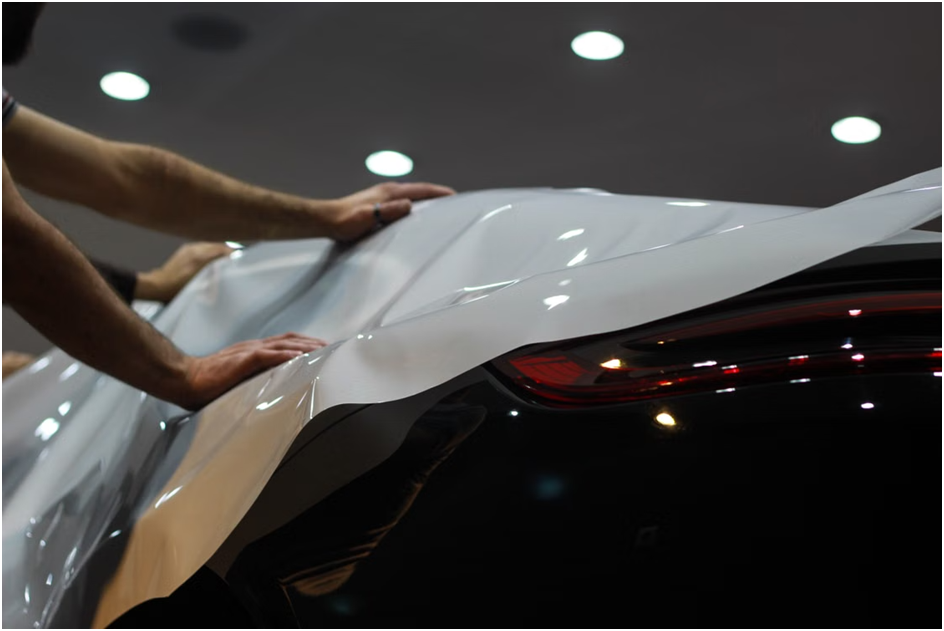
Take clear photographs of completed wraps and document your work as your skills develop. Ideally, your portfolio should show some variety in vehicle types, coverage, and difficulty. Close-up photographs can also demonstrate the quality of your finishing around edges, handles, bumpers, recesses, and other areas employers may want to inspect.
Be clear about your contribution to each project. If several installers worked on a fleet or full wrap, explain which parts you completed yourself. Employers are trying to assess your current ability, so accuracy makes your portfolio much more useful.
This is also why GarageTool asks vehicle wrap installers joining its installer network to showcase examples of previous installation work.
Do you need car wrap certifications?
There isn’t one universal qualification that automatically makes somebody a professional installer, but recognized training and certifications can strengthen your profile.
Courses can help demonstrate that you’ve learned established installation techniques and invested time in developing your skills. They can be particularly valuable early in your career when you have less professional work to show an employer.
Experience still matters enormously, so think of training and practical work as complementary. Keep records of courses and certifications alongside photographs of completed projects so potential employers can see both.
Start looking for car wrap installer jobs
Once you have the fundamentals, practical experience, and a portfolio, you need to get your work in front of the businesses that hire installers.
Car wrap shops are an obvious starting point, but don’t overlook vehicle graphics companies, fleet graphics businesses, and sign shops with vehicle wrapping departments. Depending on the company, opportunities may include permanent positions, part-time roles, freelance work, or additional contract installation support during busy periods.
GarageTool also has an installer network specifically designed to connect people looking for car wrap installer jobs with car wrap shops. Installers can create a profile containing their location, experience, certifications, employment preferences, and examples of previous work, giving shops a clearer picture of their abilities.
If you’re ready to start looking for opportunities, create your GarageTool installer profile and join the car wrap installer network.
Frequently Asked Questions
How do I become a car wrap installer with no experience?
Start by learning the fundamentals through hands-on training and practice. Build experience on simpler panels before progressing to complete vehicles and more difficult surfaces, and photograph your work as your skills improve.
What skills does a vehicle wrap installer need?
A vehicle wrap installer should understand surface preparation, vinyl application, heat and tension management, trimming, finishing, and working around complex vehicle shapes. Reliability, attention to detail, and time management are also important in a professional shop.
Do you need certification to become a vinyl wrap installer?
Certification isn’t required for every vinyl wrap installer role, but recognized training can strengthen your profile and demonstrate your commitment to professional development.
Where can I find car wrap installer jobs?
Look at car wrap shops, sign companies, vehicle graphics businesses, and fleet graphics specialists. You can also create a GarageTool installer profile to showcase your work and connect with car wrap shops looking for installation talent.
What should I include in a car wrap installer portfolio?
Include clear photos of completed installations across different vehicles and wrap types. Close-ups of technically difficult areas can help demonstrate the standard of your finishing, while short descriptions should explain your role in each project.
- ©2026 GarageTool
- Privacy policy
- Terms of service
- Sitemap